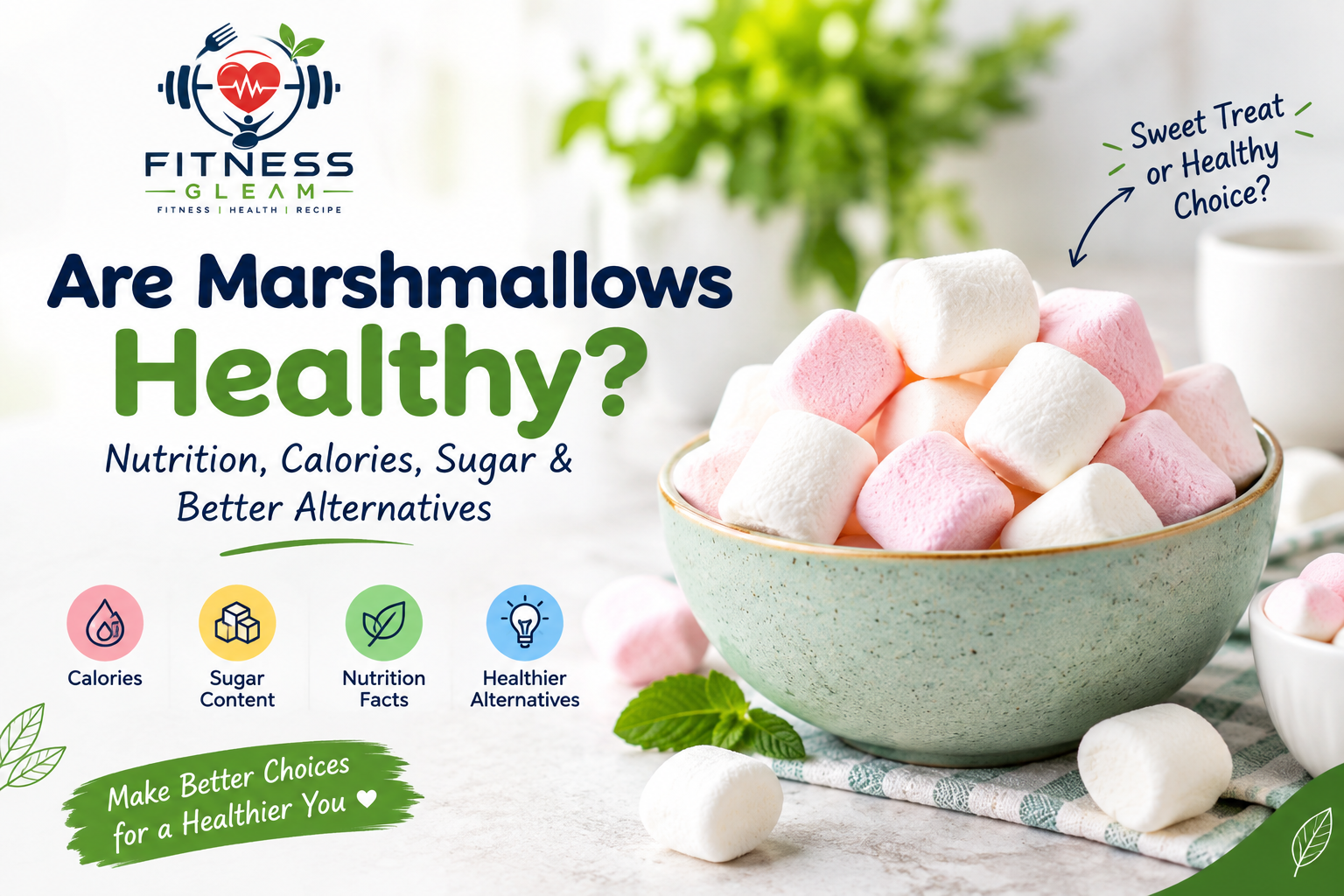
Are Marshmallows Healthy? Nutrition, Calories, Sugar & Better Alternatives
Marshmallows are soft, sweet and fun to eat, but are marshmallows healthy?
The short answer is: traditional marshmallows are best considered an occasional sweet treat rather than a nutrient-dense food. They are generally made with sugar or other sweeteners, gelatin, water and flavoring, which means they can provide plenty of sweetness without offering much protein, fiber, vitamins or minerals.
However, that does not mean you have to completely avoid marshmallows. Portion size, ingredients and how often you eat them all matter.
If you enjoy marshmallows but want a better option, homemade versions can give you more control over the ingredients.
Are Marshmallows Healthy?
Traditional marshmallows are not usually considered a healthy food.
The main reason is their nutritional profile. Regular marshmallows are primarily a sweet confection, so much of their energy comes from carbohydrates and sugars rather than protein, fiber or micronutrients.
That makes them different from foods such as fruit, Greek yogurt, nuts or other nutrient-rich snacks.
However, calling marshmallows simply “healthy” or “unhealthy” can be misleading.
A small serving of marshmallows can fit into an otherwise balanced eating pattern. The bigger issue is when sugary foods regularly replace more nutritious foods in your diet.
The key is moderation and the overall quality of your diet.
What Are Marshmallows Made Of?
Traditional marshmallows commonly contain a combination of:
- Sugar
- Corn syrup or another sweetener
- Water
- Gelatin
- Cornstarch
- Flavoring
- Sometimes powdered sugar or other coating ingredients
The exact ingredients vary between brands and recipes.
Gelatin gives marshmallows their characteristic soft and springy texture, while sugar and other sweeteners provide their familiar sweetness.
Because recipes vary, checking the ingredient list and Nutrition Facts label is the best way to understand what is in a particular product.
How Many Calories Are in Marshmallows?
The number of calories in marshmallows depends on their size, brand and ingredients.
A large marshmallow and several mini marshmallows can have very different calorie amounts. That’s why it’s better to look at the serving size on the package rather than assuming that every marshmallow contains the same number of calories.
If you are watching your calorie intake, portion size is particularly important.
Instead of eating directly from a bag, consider putting a small serving on a plate or adding a few marshmallows to a dessert or drink.
This makes it easier to enjoy them without accidentally eating a much larger portion.
Are Marshmallows High in Sugar?
Yes, traditional marshmallows are generally a high-sugar sweet treat.
Sugar is one of the main ingredients in many conventional marshmallow products. Because of this, eating a large portion can contribute a significant amount of added sugar to your diet.
The USDA notes that nutritive sweeteners such as sucrose and glucose provide calories, while dietary guidance generally encourages people to limit added sugars as part of an overall healthy eating pattern.
For that reason, marshmallows are better viewed as an occasional dessert than as an everyday source of nutrition.
Do Marshmallows Have Any Protein?
Some marshmallows contain gelatin, which is a protein derived from collagen.
However, that does not make marshmallows a high-protein food.
The amount of protein in a typical serving is generally small compared with foods specifically eaten for their protein content, such as eggs, Greek yogurt, cottage cheese, fish, chicken, beans or tofu.
If your goal is to increase your daily protein intake, marshmallows should not be your main strategy.
Instead, use nutrient-dense foods to meet your protein needs.
Are Homemade Marshmallows Healthier?
Homemade marshmallows can be a better choice in some situations because you have greater control over the ingredients.
For example, making marshmallows at home allows you to choose:
- The type and amount of sweetener
- The flavorings
- The amount of coating
- The portion size
- Whether you want to experiment with different ingredients
However, homemade does not automatically mean healthy.
A homemade marshmallow recipe can still contain a substantial amount of sugar. The advantage is that you can adjust the recipe to better match your preferences.
For a recipe-focused option, see our Homemade Healthy Marshmallow Recipe, which fits naturally with this guide.
What About Natural or Organic Marshmallows?
Words such as “natural” or “organic” do not automatically mean a marshmallow is low in sugar or highly nutritious.
A product can use organic ingredients and still be a sugary dessert.
When comparing marshmallows, look beyond marketing terms and check:
- Serving size
- Total calories
- Added sugars
- Ingredient list
- Protein
- Fiber
- Portion size
This gives you a much clearer picture of what you are actually eating.
Are Sugar-Free Marshmallows Healthier?
Sugar-free marshmallows may contain less sugar than traditional versions, but that does not automatically make them healthier overall.
Sugar-free products often use alternative sweeteners to create sweetness. Different sweeteners have different properties, and some people may tolerate them better than others.
If you choose a sugar-free marshmallow, check the complete ingredient list and Nutrition Facts label rather than focusing only on the “sugar-free” claim.
A smaller portion of a regular marshmallow can also be perfectly reasonable if you prefer the taste and it fits your overall diet.
Healthier Alternatives to Marshmallows
If you want something sweet but also want more nutritional value, consider replacing or pairing marshmallows with foods that provide additional nutrients.
Some options include:
1. Fresh fruit
Berries, apples, oranges, grapes and other fruits provide natural sweetness along with nutrients and fiber.
2. Greek yogurt with fruit
Greek yogurt can provide substantially more protein than a typical marshmallow serving. Add berries or sliced fruit for sweetness.
3. Chia pudding
Chia seeds provide fiber and healthy fats, making chia pudding a more nutrient-dense dessert option.
4. Apple slices with nut butter
Apple slices provide natural sweetness while nut butter adds fat and protein.
5. Dark chocolate with fruit
A small amount of dark chocolate paired with fruit can satisfy a sweet craving while adding more variety to your snack.
6. Homemade lower-sugar desserts
Making desserts yourself gives you more control over sweetness and portion size.
The goal doesn’t have to be eliminating every sweet food. Instead, focus on making most of your everyday food choices nutrient-dense.
Are Marshmallows Bad for You?
Eating marshmallows occasionally does not make an otherwise balanced diet unhealthy.
The bigger concern is frequent consumption of large amounts of sugary foods, especially when they replace foods that provide protein, fiber, vitamins and minerals.
Think about your overall eating pattern rather than judging one food in isolation.
If most of your meals contain nutritious foods and you occasionally enjoy a few marshmallows, there is generally no reason to feel guilty about it.
How to Eat Marshmallows More Mindfully
If marshmallows are one of your favorite treats, you don’t necessarily need to eliminate them.
Try these simple strategies:
- Choose a smaller serving.
- Read the Nutrition Facts label.
- Avoid eating directly from a large package.
- Pair sweet treats with more nutritious foods.
- Make homemade versions when you want more control over ingredients.
- Keep sugary foods as occasional treats rather than everyday staples.
These small habits can make it easier to enjoy sweets while maintaining a balanced diet.
The Bottom Line
So, are marshmallows healthy?
Traditional marshmallows are best treated as an occasional sweet treat rather than a major source of nutrition. They are typically high in sugar and provide relatively little protein, fiber or micronutrients.
But you don’t have to completely eliminate them.
If you enjoy marshmallows, focus on portion size, read the ingredient and Nutrition Facts labels, and consider homemade versions when you want more control over the ingredients.
Most importantly, look at your overall diet. A balanced eating pattern can include foods you enjoy while still emphasizing fruits, vegetables, protein-rich foods, whole grains and other nutrient-dense choices.
For more practical healthy-food ideas, recipes and fitness nutrition guidance, explore the other nutrition resources available on FitnessGleam.
Frequently Asked Questions
Are marshmallows healthy?
Traditional marshmallows are generally not considered nutrient-dense foods because they are primarily sweetened confectionery. They can still be enjoyed occasionally as part of an overall balanced diet.
Are marshmallows high in sugar?
Most traditional marshmallows contain a significant amount of added sugar because sugar or another sweetener is commonly one of their main ingredients.
Are homemade marshmallows healthier?
Homemade marshmallows can give you more control over ingredients, sweetness and portion size. However, homemade does not automatically mean low-sugar or nutrient-dense.
Are sugar-free marshmallows healthy?
Sugar-free marshmallows may contain less sugar, but their overall nutritional quality depends on the ingredients and serving size. Always check the full Nutrition Facts label and ingredient list.
Can I eat marshmallows while trying to lose weight?
You can enjoy marshmallows occasionally while trying to lose weight if they fit within your overall calorie and nutrition goals. Portion size and your overall eating pattern matter more than completely avoiding one particular food.
What is a healthier alternative to marshmallows?
Fruit, Greek yogurt with berries, chia pudding, apple slices with nut butter and other nutrient-dense snacks can provide sweetness while offering more nutrients than traditional marshmallows.